How to trade meme coin in 2026 with a speed-trading desk like Ethan Prosper
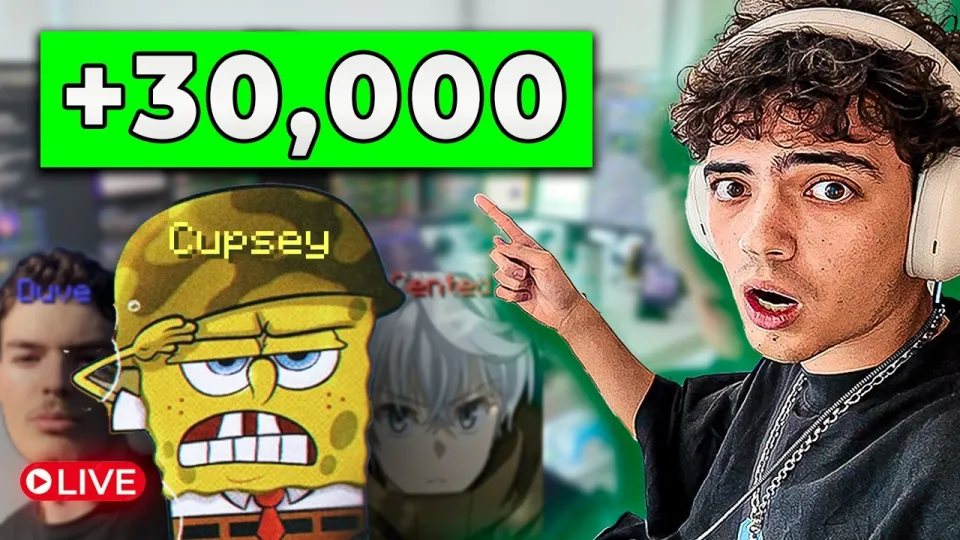
Video: I Traded With The World’s #1 Memecoin Trader
You can order the same kind of articles for your own video to boost it on YouTube and Google. Just message the Telegram bot @sat_sit_bot. The bot writes and publishes the articles itself (with your YouTube video embedded) on popular topical websites (no ads). Free trial — 50 articles.
· based on the channel Ethan Prosper
Meme coin trading is short-horizon speculation on tokens driven by internet culture, and the fastest version of it happens on Solana, where traders enter and exit fresh pairs within seconds. The clearest recent look at that style comes from Ethan Prosper's session with guest trader Cupsey, who reports more than 350 SOL across a single sitting; anyone can follow the same route by registering on the Padre trading terminal used in the video. This guide breaks down how the speed-trading desk actually works, what the numbers in that session mean, and which risks decide whether you keep the profits.
What a top meme coin trader actually does in a session
A professional meme coin session is a repetitive loop of scanning, sizing and exiting, not a hunt for one perfect coin. In the Ethan Prosper video the guest, Cupsey, moves through a series of Solana tokens — Lobo, a token called 1%, Cheese Coin, an AI Cook coin, an Elon-themed Grok bot coin, Magic Internet Money and Mosaic AI — with the first trades alone reported at around +200 SOL and the Grok trade near +$15K. The pattern is consistent: small initial size, fast confirmation from price and volume, then scale in only if the chart behaves.
- Scan new pairs and trending lists for tokens with fresh volume and an active community.
- Check the contract, holder distribution and dev wallet before sending anything.
- Enter with a small probe position and watch the first minutes of price action.
- Add size only when the token holds above the entry and volume keeps rising.
- Take profit in tranches, because liquidity on new pairs disappears faster than the price does.
The reported +80 SOL on the Mosaic AI trade and the 200 SOL start show why the format attracts attention, but they also show the scale of bankroll involved: those results assume a wallet already holding hundreds of SOL, not a first deposit.
Why Solana and Pump.fun set the pace for meme coin launches
Solana became the default venue for meme coins because launchpads like Pump.fun made creating a token a matter of minutes and near-zero cost. That produced a market where thousands of pairs appear daily, liquidity is thin at the start, and the first buyers are usually bots and full-time traders watching the same feeds. Terminals such as Padre, BullX, Photon and Axiom exist to compress the workflow — chart, contract check, buy and sell — into a single screen with hotkeys.
The practical consequence is that speed is a skill with a cost. A trader who needs thirty seconds to find the buy button is competing against people who have automated the same action and run multiple wallets. That is the structural reason most participants lose: they are not slow because they are careless, they are slow because they are doing manually what the desk opposite them does programmatically.
Position sizing and the real math behind a 350 SOL session
A 350 SOL result is a statement about risk per trade, not a guarantee of skill. Traders who post sessions of that size typically risk a small fraction of a large bankroll on each attempt, accept frequent small losses, and rely on a handful of outsized winners to carry the day. If you copy the entry sizes without the bankroll, one bad fill wipes the account.
A workable framework for a smaller wallet:
- Cap each probe at 1–3% of trading capital and treat it as money already spent.
- Never add to a position that is underwater; scaling into losers is how thin-liquidity tokens trap buyers.
- Set a hard invalidation level before entry and exit at it without renegotiating.
- Track results per session in SOL, not in dollars, so price swings in the underlying asset do not flatter the numbers.
- Withdraw profits periodically, since a trading wallet is a target for both mistakes and exploits.
Faucets, wallet tracking and the tools mentioned in the stream
Two practical questions come up constantly around this content: how to read another trader's wallet, and what a faucet means in this context. Wallet tracking is simply watching a public Solana address — the video lists both the host's and the guest's wallets — to see what a skilled trader buys and when, usually through a tracker or a terminal's copy-trade feature. It is a research tool, not a signal service: by the time a tracked wallet's buy is visible on-chain, the price has already moved.
A faucet, in the meme coin context, is a small stream of tokens or SOL used to keep an account active for testing, airdrops or low-cost experiments; it is not free trading capital and it will not fund a real position. Copy-trading features on terminals can mirror a wallet automatically, but they inherit every mistake of the source wallet and add slippage, so they work best with strict per-trade caps.
The risks the highlight reel hides
Meme coin losses are usually structural rather than accidental. Multi-wallet operators and coordinated groups can create the appearance of organic demand, then sell into the buyers who arrive from social media; several viewers of the session pointed this out directly, and they are right that the person on the other side of a fast entry is often a professional. Beyond that, the standard failure modes are:
- Rug pulls and liquidity removal by the deployer minutes after launch.
- Sniper bots that buy the first block and dump on everyone who follows.
- Slippage on exits that turns a paper gain into a loss.
- Fatigue: 10+ hour sessions degrade judgment, and the last trade of a long day is statistically the worst one.
The honest framing is that this is one of the hardest trading styles available, and choosing slower, more liquid coins is a legitimate strategy rather than a compromise.
What beginners keep asking about meme coin trading
The questions that recur under this kind of video are remarkably consistent, and they point to the same gaps. Viewers ask how to pick which coin to ape, how much capital is needed to start, whether copy-trading a top wallet is viable, and why results look effortless on camera but not in their own account. The short answers: pick by liquidity and holder structure rather than narrative; start with an amount you can lose entirely; treat copy-trading as a research shortcut with hard caps; and accept that a recorded session shows the winners, while the losing attempts happen off camera. Inspiration is useful, imitation of size is not.
Useful links
- Padre trading terminal registration — the terminal used for the session
- https://ethanprosper.com — all channel links
- https://x.com/cupseyy — guest trader Cupsey on X
- https://discord.gg/solmafia — free SOLMAFIA Discord
- https://www.joinpastel.com/r/ref=ETHAN — Pastel paid community
Bottom line
The session Ethan Prosper recorded with Cupsey is a useful window into how professional meme coin speed trading is structured: hundreds of SOL of bankroll, dozens of small attempts, a few large winners and a strict exit discipline. The transferable lessons are position sizing, contract checks and knowing that someone faster is usually on the other side of your fill. If you want to test the workflow yourself, start with the Padre terminal and size every trade as if it will go to zero. The channel «Ethan Prosper» is worth following for more sessions like this one, provided you treat them as case studies rather than blueprints.
Key takeaways
- A single session on Ethan Prosper's channel with guest trader Cupsey produced over 350 SOL in reported gains, including roughly +200 SOL on first trades and about +$15K on one Grok-themed token.
- Speed trading meme coins means 10+ hour sessions on fresh Solana pairs, often through Pump.fun and terminals like Padre or Axiom, with entries measured in seconds.
- Trades in the video include Lobo, a 1% token, Cheese Coin, an AI Cook token, an Elon/Grok bot coin, Magic Internet Money and Mosaic AI.
- Losing money in meme coins is usually about multi-wallet snipers and exit liquidity, not about picking the wrong ticker, so risk rules matter more than coin selection.
- You do not need to trade this style to profit: larger, more liquid coins and slower strategies are a legitimate alternative for most people.
Source: I Traded With The World’s #1 Memecoin Trader · Markdown version
Questions & answers
How much capital do you need to start meme coin trading?
Enough to survive a long run of small losses, which in practice means treating your first deposit as fully expendable. Professional sessions with hundreds of SOL of profit assume a bankroll of that scale, so a beginner should cap each probe at a few percent of a much smaller account and never add to a losing position.
Is copy-trading a top meme coin wallet a good idea?
It can be a useful research shortcut, but it inherits every mistake of the source wallet and adds slippage on entry and exit. By the time a tracked buy appears on-chain the price has already moved, so use copy-trading only with a hard per-trade cap and a clear exit rule.
What does faucet mean in meme coin trading?
A faucet is a small stream of tokens or SOL used to keep an account active for testing, airdrops or low-cost experiments. It is not free trading capital and it will not fund a real position.
Do you have to trade fresh Solana pairs to make money in meme coins?
No. Speed trading on new Pump.fun pairs is the most difficult style available, with 10+ hour sessions and bots competing for the same fills. Slower strategies on larger, more liquid coins are a legitimate alternative and suit most people better.